

Managed IT service levels define the scope of technical oversight, response commitments, and strategic planning a provider assumes for a business. The cost of each tier varies based on the number of endpoints, the complexity of the environment, and the specific operational guarantees included in the agreement. Rivell helps New Jersey organizations evaluate these service levels to match their operational needs with a sustainable budget.
1. Basic Help Desk Support
Reactive ticket resolution for standard user issues.
This entry-level tier focuses on resolving day-to-day technical problems such as email access, printer connectivity, and software installation. The provider typically operates on a per-user or per-device monthly fee, with pricing that remains relatively low because the scope is limited to reactive fixes. This level is suitable for small teams that have a dedicated internal IT person handling complex infrastructure tasks.
2. Proactive Monitoring and Management
Continuous oversight of servers, networks, and endpoints.
At this level, the provider uses automated tools to monitor system health, apply security patches, and manage backups. The cost structure usually shifts to a flat monthly rate per device, which includes 24/7 monitoring and proactive maintenance. This tier is ideal for businesses that want to prevent downtime before it impacts operations and requires a higher level of technical expertise than a basic help desk can provide.
3. Co-Managed IT Services
Shared responsibility between internal staff and external providers.
Co-managed services allow an organization to retain its internal IT team while outsourcing specific tasks like advanced security or cloud management to a specialist provider. The cost is typically higher than basic support because it involves integrating external tools with internal workflows and providing specialized expertise. This model is best for mid-sized companies that have some in-house capability but need to fill specific skill gaps or increase coverage hours.
4. Full Outsourced Managed IT
Complete transfer of IT operations to a third-party provider.
In this model, the provider assumes full responsibility for all IT infrastructure, including hardware, software, security, and support. The pricing is generally the highest per user because it covers the entire operational burden, including strategic planning and vendor management. This tier is appropriate for organizations that want to eliminate internal IT overhead and focus entirely on their core business activities.
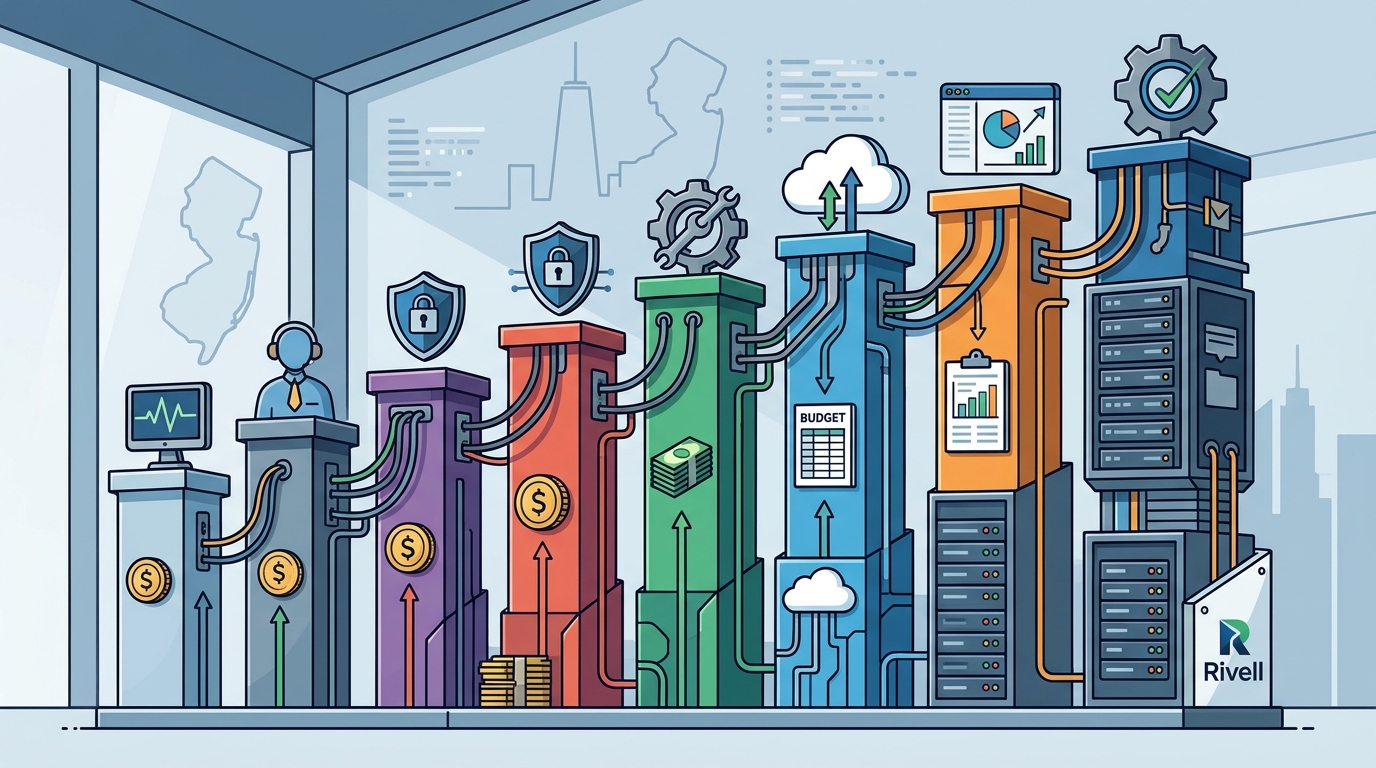
5. Cybersecurity and Compliance Management
Specialized protection against threats and regulatory requirements.
This service level adds advanced security measures such as threat detection, incident response, and compliance auditing to the base managed IT package. The cost increases due to the need for specialized security tools, trained analysts, and continuous monitoring for vulnerabilities. Businesses in regulated industries or those handling sensitive data often require this tier to meet legal and contractual obligations.
6. Cloud and Infrastructure Management
7. Strategic IT Consulting and Planning
Long-term technology roadmap and business alignment.
The highest service level involves acting as a strategic partner that advises on technology investments, digital transformation, and business continuity. The cost is often project-based or included in a premium monthly retainer, reflecting the high level of expertise and advisory services provided. This tier is best for executive teams that need a trusted advisor to align IT strategy with long-term business goals.
Choosing the Right Service Level
Select the service level that matches your current operational maturity and risk tolerance. Start with the lowest tier that covers your critical needs and scale up as your business grows or your security requirements increase. Rivell provides detailed assessments to help New Jersey businesses determine the most cost-effective service level for their specific environment.
Frequently Asked Questions
What is the average cost of managed IT services per user?
How does co-managed IT differ from fully outsourced IT?
Co-managed IT involves sharing responsibilities between an internal team and an external provider, whereas fully outsourced IT transfers all IT operations to the provider. Co-managed models allow businesses to retain some control, while outsourced models offer complete relief from IT management duties.
Do managed IT service levels include hardware costs?
Hardware costs are typically not included in the base service fee, but some providers offer hardware procurement and lifecycle management as an additional service. It is important to clarify whether the pricing includes equipment or only the labor and software required to manage it.
How often should a business review its managed IT service level?
Businesses should review their service level at least annually or whenever there is a significant change in business size, technology stack, or security requirements. Regular reviews ensure that the service level continues to meet operational needs and remains cost-effective.
Can a business switch between service levels?
Yes, most managed IT providers allow businesses to adjust their service level as their needs change. Switching tiers may involve a transition period to ensure that all systems and processes are properly handed over or integrated.