

Network monitoring is the continuous process of tracking the performance, availability, and security of a business network to ensure stable operations. For organizations in Sewell, New Jersey, selecting the right monitoring capabilities is critical for maintaining uptime and protecting sensitive data. Rivell helps local businesses implement these essential features to keep their technology infrastructure running smoothly.
1. Real-Time Uptime and Availability Tracking
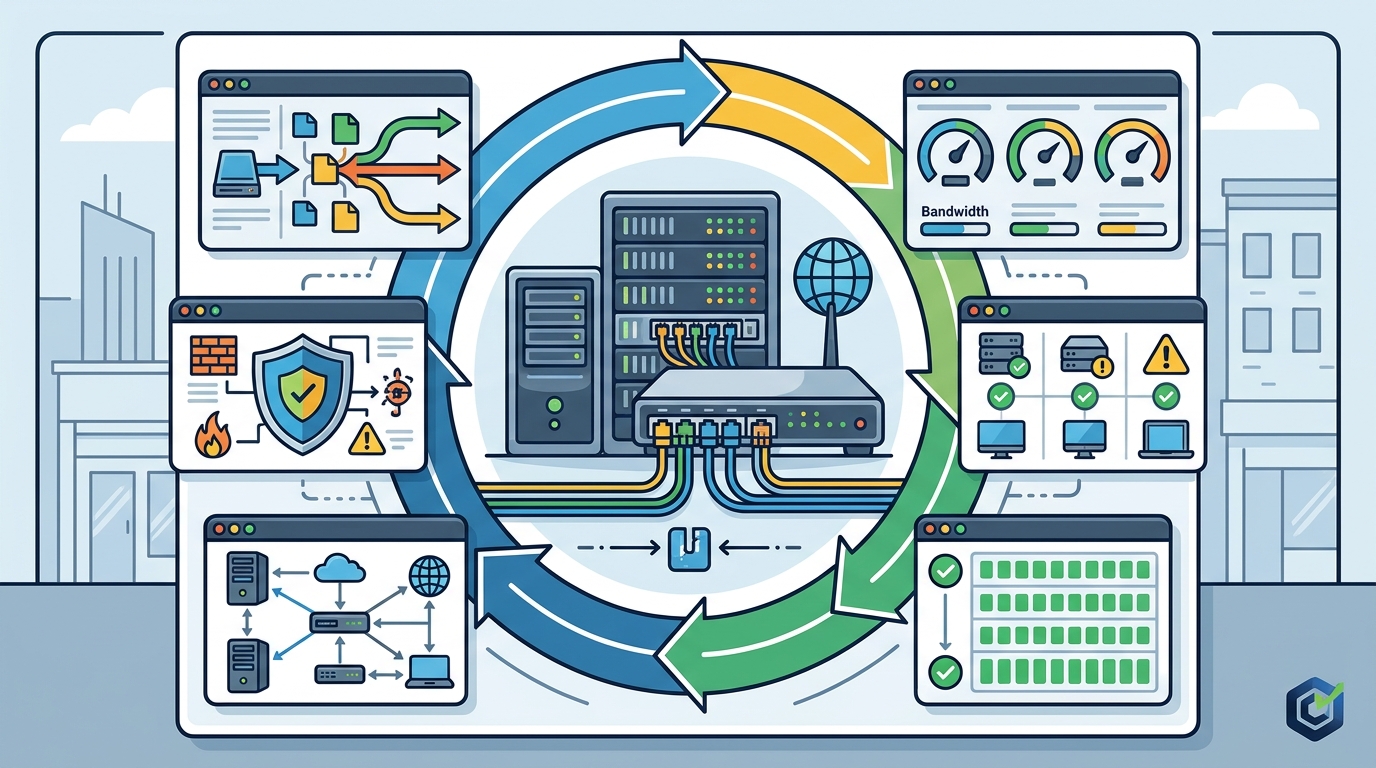
Real-time uptime tracking provides immediate visibility into whether critical network components are online and responsive. This feature uses automated agents or probes to check servers, switches, and routers at defined intervals. If a device goes offline, the system triggers an alert to the IT team before users experience significant downtime. For a Sewell business, this proactive approach minimizes the impact of hardware failures or connectivity issues on daily operations.
2. Bandwidth and Traffic Analysis
Bandwidth analysis identifies how data flows through the network and detects potential bottlenecks or anomalies. By monitoring traffic patterns, IT professionals can distinguish between normal business activity and unusual spikes that may indicate a security threat or inefficient application usage. This visibility allows Rivell to optimize network resources and ensure that critical applications receive the priority they need for consistent performance.
3. Automated Alerting and Escalation
Automated alerting systems notify the right personnel when specific thresholds are breached or errors occur. Effective monitoring tools allow businesses to define custom rules for what constitutes a critical issue. Alerts can be sent via email, SMS, or integrated into ticketing systems to ensure rapid response times. This feature is essential for maintaining service level agreements and reducing the mean time to resolution for technical issues.
4. Security and Intrusion Detection
Security monitoring integrates threat detection with network performance tracking to identify malicious activity. Modern network monitoring tools analyze traffic for signs of intrusion, such as unauthorized access attempts or data exfiltration. By combining performance metrics with security logs, Rivell can provide a holistic view of network health. This integration is vital for protecting business data and ensuring compliance with industry security standards.
5. Historical Performance Reporting
Historical reporting captures long-term trends in network performance to support capacity planning and troubleshooting. These reports allow IT teams to analyze data over weeks, months, or years to identify recurring issues or growth patterns. This historical context is crucial for making informed decisions about infrastructure upgrades and budget allocation. It also provides evidence for post-incident reviews and helps demonstrate the value of IT investments to stakeholders.
6. Device and Asset Inventory
Automated asset inventory tracks all connected devices and their configurations within the network. This feature maintains a current database of hardware and software assets, including firmware versions and license statuses. Accurate inventory management ensures that IT teams know exactly what is connected to the network and can quickly isolate or remediate specific devices. It also simplifies compliance audits by providing a clear record of all network components.
7. Integration with IT Service Management
Integration with ITSM tools connects network monitoring data directly to incident and problem management workflows. When monitoring tools feed data into a service management platform, they create a seamless bridge between detection and resolution. This integration ensures that every alert is logged, tracked, and resolved with full documentation. For businesses using Rivell's managed services, this integration is a core component of our proactive support model.
Choosing the Right Monitoring Features
When selecting network monitoring features, prioritize those that align with your specific business goals and risk profile. Start with uptime and security monitoring to protect core operations, then expand to bandwidth analysis and reporting as your infrastructure grows. Rivell can help you evaluate your current setup and recommend the right combination of features for your Sewell business.
Frequently Asked Questions
What is the primary benefit of real-time network monitoring?
The primary benefit is the ability to detect and respond to issues before they cause significant downtime or user disruption.
How does network monitoring improve security?
Network monitoring improves security by identifying unusual traffic patterns and unauthorized access attempts in real time.
Is historical data important for network monitoring?
Yes, historical data is essential for capacity planning, trend analysis, and troubleshooting recurring issues.
Can small businesses afford comprehensive network monitoring?
Yes, managed IT services like those offered by Rivell make comprehensive monitoring accessible to small businesses through predictable pricing models.
How often should network monitoring alerts be reviewed?
Alerts should be reviewed immediately upon receipt, with automated systems ensuring critical issues are escalated to the appropriate personnel.