

What Does Network Monitoring Actually Do for Your Business Systems?
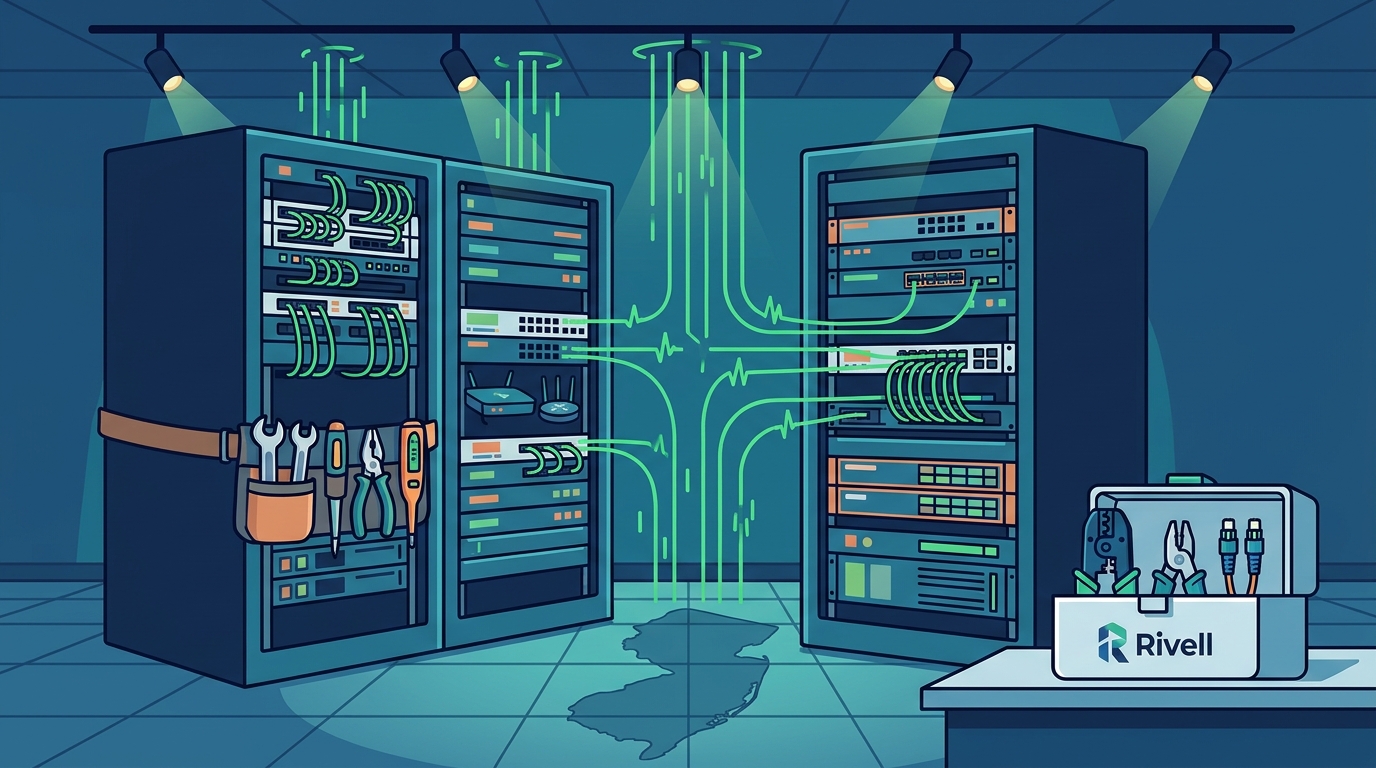
Network monitoring is the continuous process of observing, analyzing, and managing the performance, health, and security of a computer network. For New Jersey businesses, it acts as a proactive defense mechanism that identifies bottlenecks, prevents outages, and secures critical data before minor issues escalate into costly disruptions. Rivell integrates this oversight into its managed IT services to ensure operational stability for small and mid-sized enterprises.
Core Functions of Continuous Network Surveillance
At its foundation, network monitoring is a critical process in information technology that involves the continuous surveillance, analysis, and management of a network's performance, health, and security. It is not merely a passive log of events but an active system that tracks the flow of data across routers, switches, and endpoints. By dissecting traffic patterns, administrators gain insights into bandwidth utilization and can identify anomalies that might indicate a security threat or a hardware failure.
This level of visibility allows IT teams to distinguish between normal operational fluctuations and genuine performance degradation. For example, a sudden spike in packet loss on a specific switch port can be isolated and addressed before it impacts user productivity. This proactive approach shifts the IT function from a reactive troubleshooting role to a strategic asset that safeguards business continuity.
Performance Optimization and Traffic Analysis
Traffic analysis is the meticulous examination of data as it traverses through a network, focusing on patterns, volumes, and destinations. This component of monitoring helps identify bandwidth bottlenecks that slow down critical applications. When specific services, such as video conferencing or cloud-based ERP systems, experience latency, monitoring tools can pinpoint the exact segment of the network causing the delay.
According to MarketsandMarkets, the Network Monitoring Market is projected to grow from USD 2.2 billion in 2022 to reach USD 3.0 billion by 2027, reflecting the increasing reliance on these tools for performance optimization. By understanding the baseline of normal traffic, businesses can allocate resources more effectively and ensure that high-priority applications receive the bandwidth they require. This optimization directly supports business performance by maintaining the speed and reliability of digital workflows.
Security Threat Detection and Anomaly Identification
Network monitoring is also a primary line of defense against cyber threats. It encompasses a range of activities designed to safeguard against unauthorized access and data breaches. By monitoring for unusual traffic patterns, such as data exfiltration attempts or port scanning, security teams can detect intrusions in real-time. This is particularly important for businesses in New Jersey, where cyber threats including ransomware and phishing are increasing in frequency and sophistication.
Rivell provides cybersecurity services that integrate with network monitoring to offer proactive threat detection. When a monitoring tool identifies an anomaly, it can trigger alerts that route to an accountable responder. This integration ensures that security is not an afterthought but a core component of network management. The ability to detect and contain threats quickly reduces the potential damage and protects sensitive business data.
Proactive Maintenance and Downtime Prevention
One of the most significant benefits of network monitoring is its ability to prevent downtime. Frequent outages and slow network performance are not just annoying; they cost money by halting workflows and frustrating customers. Monitoring tools detect performance issues and anomalies in real-time, allowing IT teams to resolve problems before they escalate into full outages. This is especially critical for businesses that rely on e-commerce or cloud applications, where even a few minutes of unplanned downtime can impact revenue.
By implementing a proactive IT support strategy, businesses can reduce the frequency and duration of outages. Rivell's managed IT services include 24/7 IT monitoring that identifies issues before they affect operations. This approach ensures that the network remains stable and secure, providing peace of mind to business owners and employees alike. The result is a more resilient IT infrastructure that can withstand the pressures of daily operations and unexpected challenges.
Key Takeaways
- Network monitoring is the continuous surveillance and management of network performance, health, and security.
- Traffic analysis helps identify bandwidth bottlenecks and optimizes the flow of data across the network.
- Monitoring tools detect security threats by identifying unusual traffic patterns and anomalies.
- Proactive monitoring prevents downtime by resolving issues before they escalate into outages.
- The Network Monitoring Market is expected to reach USD 3.0 billion by 2027, highlighting its growing importance.
- Rivell integrates network monitoring with cybersecurity services to provide comprehensive protection for New Jersey businesses.
Frequently Asked Questions
What is the primary purpose of network monitoring?
The primary purpose of network monitoring is to ensure the seamless functioning of networked systems by identifying potential issues, enhancing overall efficiency, and safeguarding against security threats.
How does network monitoring help with security?
Network monitoring helps with security by detecting unusual traffic patterns, such as data exfiltration or port scanning, which can indicate a cyberattack. This allows security teams to respond quickly and minimize damage.
What is traffic analysis in the context of network monitoring?
Traffic analysis is the examination of data as it moves through a network to understand patterns, volumes, and destinations. It helps identify bandwidth bottlenecks and optimize network performance.
Why is proactive monitoring important for business continuity?
Proactive monitoring is important for business continuity because it detects and resolves issues before they cause outages. This prevents revenue loss and maintains customer satisfaction by ensuring that critical systems remain available.
How does Rivell support network monitoring for New Jersey businesses?
Rivell supports network monitoring by integrating it into its managed IT services, providing 24/7 oversight, and combining it with cybersecurity solutions to protect business systems and data.
Conclusion
Network monitoring is an essential component of modern IT infrastructure, providing the visibility and control needed to maintain performance, security, and reliability. By leveraging continuous surveillance and proactive analysis, businesses can prevent downtime and protect their operations from cyber threats. Rivell offers comprehensive managed IT services that include robust network monitoring, ensuring that New Jersey businesses can focus on growth while their technology remains stable and secure. To learn more about how Rivell can support your network monitoring needs, .