

Businesses in Washington Township, NJ, need reliable onsite IT support to maintain operational stability and protect critical data. Rivell provides comprehensive onsite IT support and managed IT services for New Jersey businesses, ensuring your technology infrastructure runs smoothly. This guide covers how to choose a provider, verify credentials, understand costs, and navigate local specifics for Washington Township.
How to Choose a Provider
Choosing the right onsite IT support provider requires looking beyond basic pricing. A good provider offers proactive monitoring, clear communication, and a deep understanding of your specific industry needs. You should evaluate a provider's experience, technical certifications, and their ability to scale with your business growth.
Experience and Local Presence
Experience matters significantly in IT support. A provider with a long history in the region, such as Rivell's managed IT services in New Jersey, often has a better understanding of local business challenges. Look for providers who have been in business for at least a decade to ensure stability and expertise.
Proactive vs. Reactive Approach
Reactive support fixes problems after they happen. Proactive support prevents problems before they occur. The best providers use continuous monitoring tools to detect anomalies in your network, servers, and endpoints. This approach reduces downtime and improves overall system health.
What to Ask Before Committing
Before signing a contract, you must ask specific questions to ensure the provider can meet your needs. These questions help clarify the scope of services, response times, and accountability.
Scope of Services
Ask what is included in the onsite support package. Does it cover hardware repair, software troubleshooting, network management, and cybersecurity? Clarify if there are additional costs for specific tasks like data recovery or system migrations.
Response Times and SLAs
Inquire about Service Level Agreements (SLAs). What is the guaranteed response time for critical issues? How quickly can an onsite technician arrive in Washington Township? Ensure the provider has a local presence or a reliable network of technicians in the area.
How to Verify Credentials
Verifying a provider's credentials ensures you are working with qualified professionals. Check for industry certifications and client references.
Certifications and Training
Look for certifications from major technology vendors like Microsoft, Cisco, or CompTIA. These certifications demonstrate that the provider's staff has undergone rigorous training and testing. You can verify these credentials through the issuing organization's website.
Client References
Ask for references from current clients in your industry. Speak with them to understand the provider's reliability, communication style, and problem-solving abilities. This direct feedback is often more valuable than marketing claims.
How Onsite Support Works
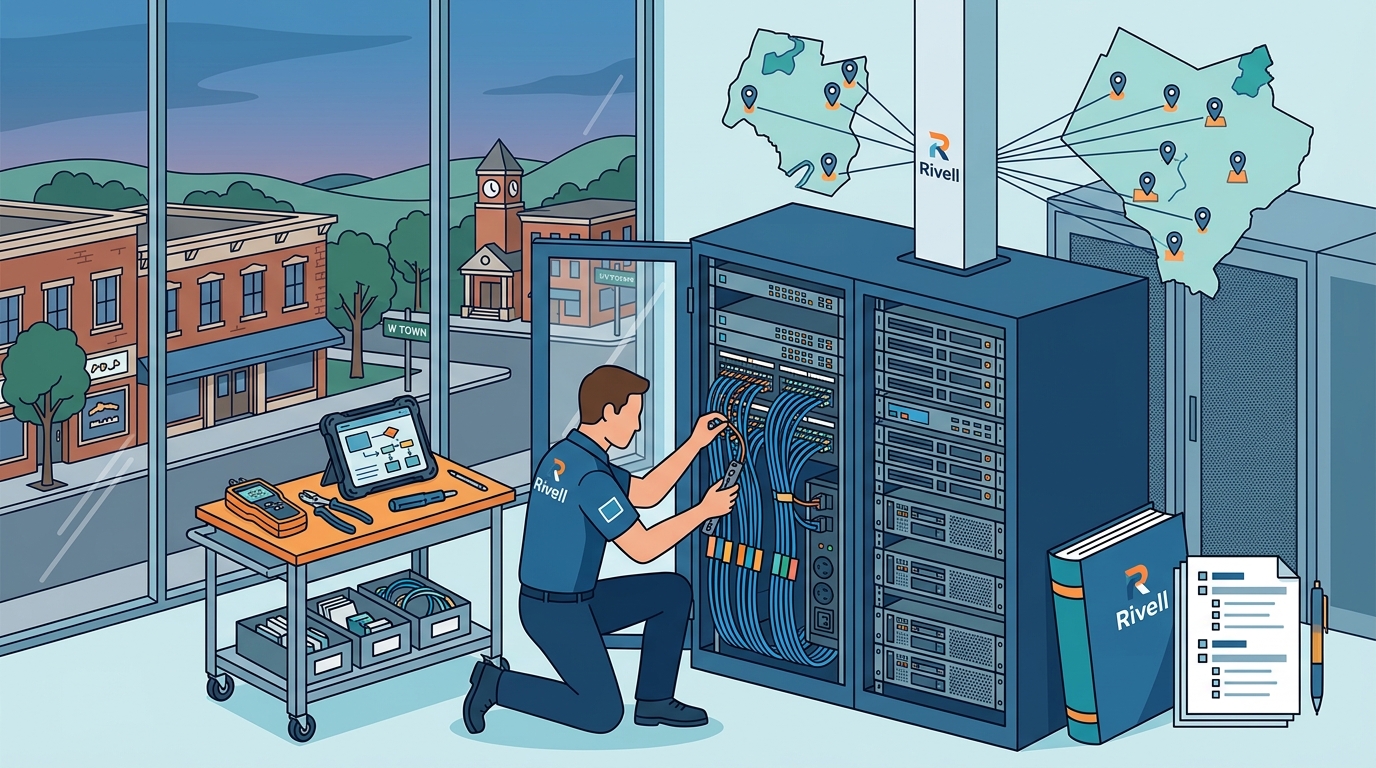
Onsite IT support involves a technician physically visiting your location to diagnose and resolve issues. The process typically follows a structured workflow to ensure efficiency and transparency.
Initial Assessment
The technician begins with an initial assessment of the problem. They gather information from your staff, review system logs, and inspect hardware. This step helps identify the root cause of the issue.
Diagnosis and Resolution
After diagnosis, the technician implements a solution. This may involve repairing hardware, updating software, or reconfiguring network settings. The provider should document all actions taken and provide a summary of the resolution.
What It Costs
The cost of onsite IT support varies based on several factors. Understanding these factors helps you budget effectively and avoid unexpected charges.
Pricing Models
Providers typically offer two pricing models: per-incident and monthly retainer. Per-incident pricing charges you for each visit, which can be unpredictable. Monthly retainer plans offer a fixed fee for a defined scope of services, providing cost predictability.
Factors Influencing Cost
Costs are influenced by the complexity of the issue, the number of users, and the provider's expertise. More complex systems and larger user bases generally require more resources, leading to higher costs. Always request a detailed quote that breaks down these factors.
Common Mistakes to Avoid
Businesses often make mistakes when selecting and managing IT support providers. Avoiding these pitfalls can save time and money.
Ignoring Security Protocols
Lack of Communication
Poor communication can lead to misunderstandings and delays. Establish clear communication channels and expectations with your provider. Regular check-ins and status updates are essential for maintaining a productive relationship.
Onsite vs. Remote Support
Onsite and remote support serve different purposes. Understanding the differences helps you choose the right model for your business.
| Feature | Onsite Support | Remote Support |
|---|---|---|
| Response Time | Slower (travel time) | Faster (immediate access) |
| Hardware Issues | Essential | Limited |
| Cost | Higher per incident | Lower per incident |
| Complexity | Handles complex physical issues | Best for software/network issues |
Many businesses benefit from a hybrid approach, combining remote support for routine issues and onsite support for critical hardware or network problems. Rivell's services in Washington Township often include this hybrid model to optimize efficiency and cost.
Support for Specific Situations
Different business situations require different IT support strategies. Tailoring your support plan to your specific needs ensures better outcomes.
Healthcare and Finance
Industries like healthcare and finance have strict compliance requirements. Your provider must understand regulations like HIPAA or PCI-DSS. They should offer specialized security measures and audit support to help you maintain compliance.
Small vs. Mid-Sized Businesses
Small businesses may need basic support for email and internet connectivity. Mid-sized businesses often require more complex solutions, including cloud migration and advanced cybersecurity. Choose a provider that can scale with your growth.
Rules and Protections
Data Privacy and Security
Your contract should include strict data privacy and security clauses. Ensure the provider is bound by confidentiality agreements and has protocols for handling sensitive data. This protects your business from liability in case of a breach.
Service Level Agreements
SLAs define the provider's commitments regarding response times and uptime. Review these clauses carefully to ensure they align with your business needs. Penalties for failing to meet SLAs can provide additional protection.
Local Specifics for Washington Township
Washington Township, NJ, has unique characteristics that influence IT support needs. Understanding these local specifics helps you choose the right provider.
Geographic Considerations
Washington Township is located in Burlington County, with easy access to major highways. This geographic advantage allows providers to offer faster onsite response times. Look for providers with a local presence in South Jersey to minimize travel delays.
Business Demographics
The township is home to a mix of small businesses, professional offices, and light industrial facilities. Your provider should have experience supporting diverse business types. This versatility ensures they can address the specific challenges of your industry.
Timing Your Support Contract
Timing plays a significant role in the success of your IT support contract. Aligning your contract with your business cycles can optimize benefits.
Seasonal Fluctuations
Some businesses experience seasonal peaks in demand. Ensure your support plan can handle increased loads during these periods. Flexible contracts that allow for temporary scaling can be beneficial.
Contract Renewal
Review your contract before renewal to assess the provider's performance. Use this opportunity to negotiate better terms or adjust the scope of services based on your evolving needs.
Long-Term Results
Reduced Downtime
Proactive support significantly reduces system downtime. This leads to increased productivity and fewer lost sales. Track downtime metrics over time to measure the impact of your support plan.
Cost Savings
Over time, proactive maintenance can reduce the need for expensive emergency repairs. This leads to overall cost savings. Compare your IT expenses before and after implementing a managed support plan to quantify these savings.
Key Takeaways
- Choose a provider with local experience and a proactive approach.
- Ask specific questions about scope, response times, and SLAs.
- Verify credentials through certifications and client references.
- Understand the difference between onsite and remote support.
- Tailor your support plan to your specific industry and size.
- Review contract clauses for data privacy and SLAs.
- Consider local specifics like geography and business demographics.
- Track long-term results like reduced downtime and cost savings.
Frequently Asked Questions
What is the average cost of onsite IT support in Washington Township?
The average cost varies based on the scope of services and the provider. Monthly retainer plans typically range from a few hundred to several thousand dollars, depending on the number of users and complexity.
How quickly can an onsite technician arrive?
Response times depend on the provider's local presence and the severity of the issue. Providers with a local office in South Jersey can often arrive within a few hours.
Do I need both onsite and remote support?
Many businesses benefit from a hybrid approach. Remote support handles routine issues quickly, while onsite support addresses hardware and complex network problems.
How do I verify a provider's certifications?
You can verify certifications through the issuing organization's website, such as Microsoft or CompTIA. Ask the provider for proof of certification for their staff.
What should be included in an IT support contract?
A contract should include the scope of services, SLAs, data privacy clauses, and termination terms. Ensure all details are clearly defined to avoid misunderstandings.
Can I switch providers if I'm not satisfied?
Yes, but review your contract for termination clauses and notice periods. It is important to plan a smooth transition to a new provider to avoid service disruptions.